Our Quran parenting method, in six words

The Feetra Quran parenting method is how we help families raise children who live the Qur’an, the way the companions learned it from Rasulullah ﷺ. Six short words shape every lesson, every parent script and every screen: ROOTS, LUQMAN, SEEDS, LIGHT, AKHLAQ and GROW. Each one comes from an ayah or an authentic hadith, and each one is something a busy parent can do this week. This page walks through the Quran parenting method one word at a time.

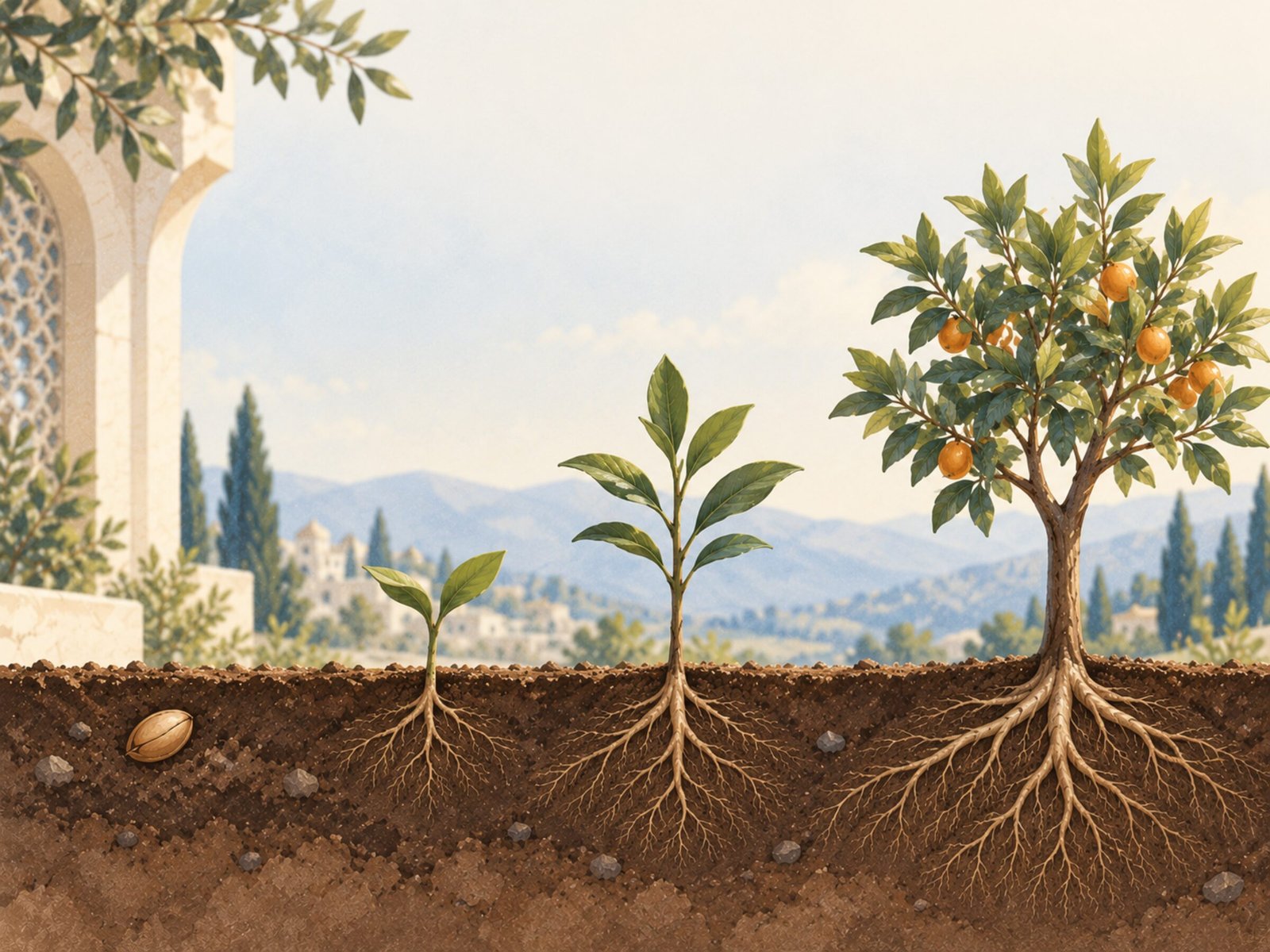
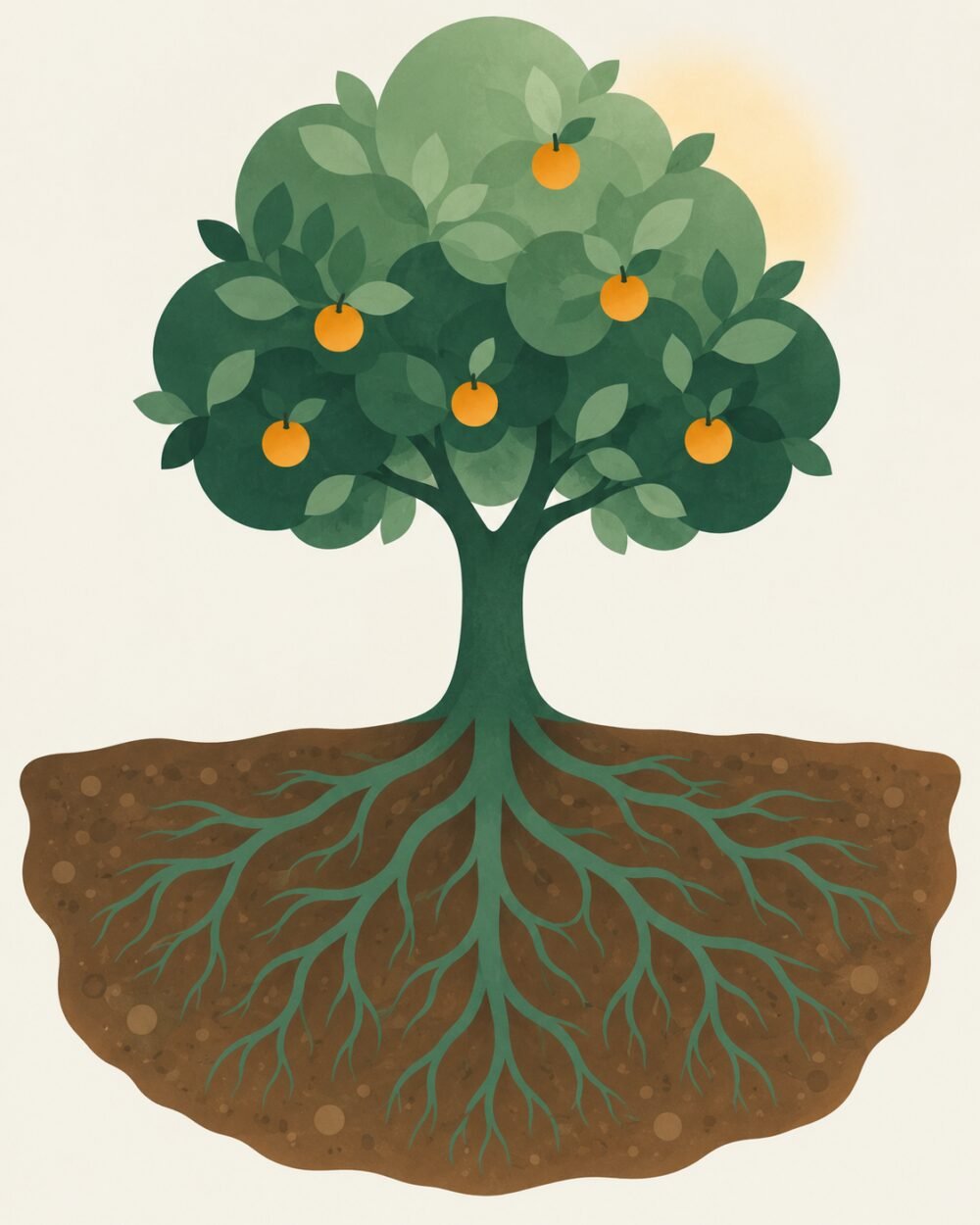
Quran parenting method tree: roots of iman growing up to fruit

Why a Quran parenting method, and not only a syllabus

A syllabus tells you what to teach. A method tells you how to teach it, and how to treat your child while you do. The Qur’an gives us both. It shows what Luqman taught his son, and it also shows how he spoke to him, with tenderness and reasons, after Allah first gave him wisdom and gratitude himself.

So the Feetra Quran parenting method sits under everything. Our Islamic homeschool syllabus sets the weekly themes for one year across four classrooms, and the method decides how each of those lessons is lived at home. Every ayah and hadith we use is checked by our advisors before it reaches your family.

The Quran parenting method is grown like a tree: deepen the ROOTS, teach the way LUQMAN did, plant SEEDS every week, read by the Qur’an’s LIGHT, shape AKHLAQ, and watch each child GROW until they bear fruit.

ROOTS: the five principles of the Quran parenting method

Our five principles

Five principles from the practice of Rasulullah ﷺ and the companions sit under every part of Feetra. They are why lessons start from wonder, move one small step at a time, and happen in real moments of the day rather than at a desk.

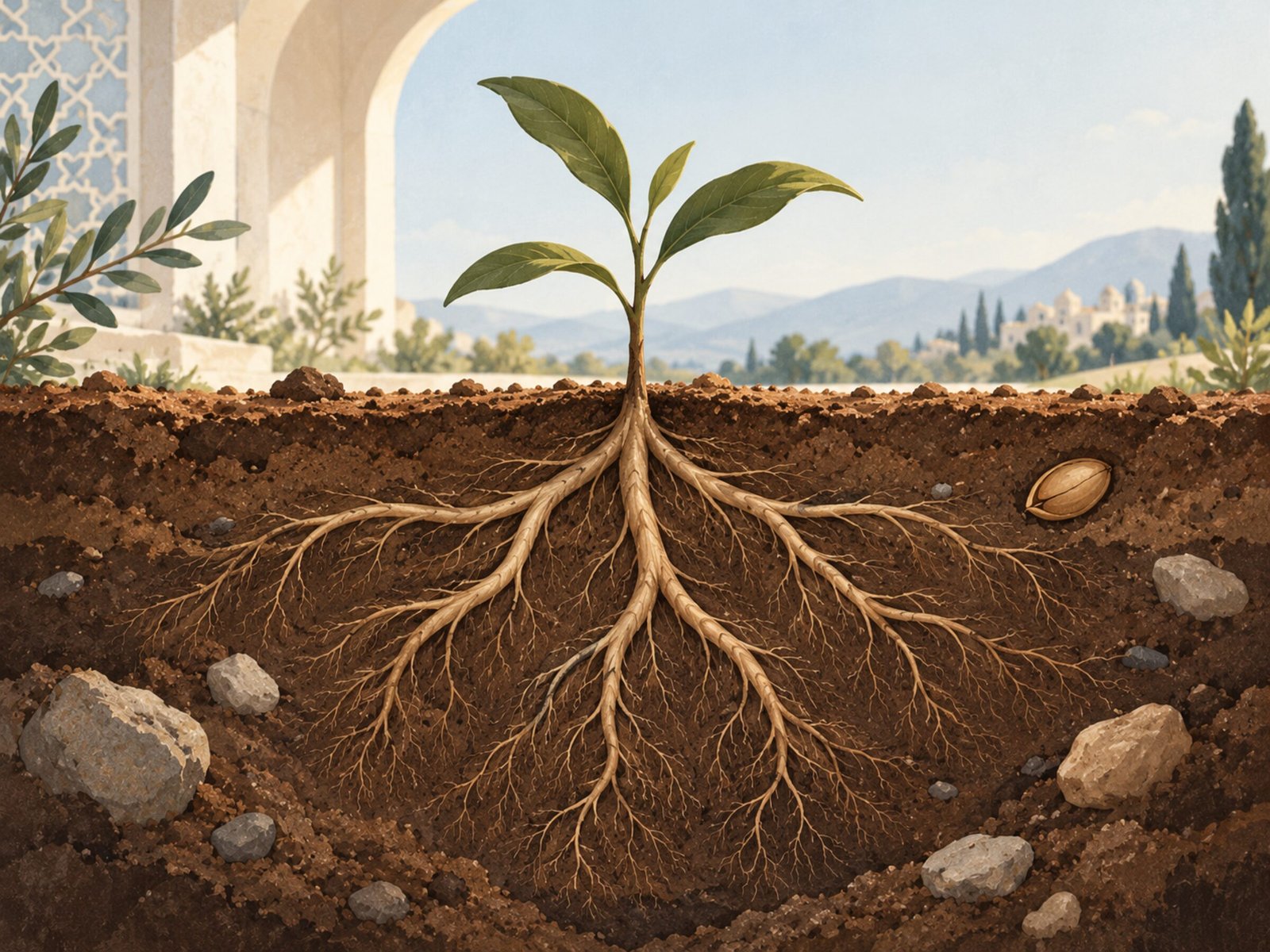
Roots of a young tree in rich soil, the ROOTS of the Quran parenting method
R

Rooted in iman first

The companions learned iman before they learned the Qur’an, and then the Qur’an increased their iman. So every Feetra lesson starts from a sign of Allah, then meets the ayah.

Jundub ibn Abdullah, Ibn Majah 61

O

One step, lived

The companions learned ten ayat and did not move on until they knew them and practised them. A Feetra level is reached by practice, not by recall.

Abu Abdur-Rahman as-Sulami, Ahmad

O

On-the-spot teaching

Ibn Abbas was taught on the riding animal, and Umar ibn Abi Salamah was taught at the plate. We teach in real situations, with short words.

Tirmidhi 2516; Bukhari 5376, Muslim 2022

T

Tender and playful

Anas served ten years and never heard “uff”, and children fasted Ashura with wool toys. Gentleness and play come first.

Bukhari 6038, Muslim 2309; Bukhari 1960

S

Shepherd parent

“Each of you is a shepherd.” The parent teaches by being the example, so the parent track comes first.

Bukhari 893, Muslim 1829

LUQMAN: how the parent teaches

From Surah Luqman 31:12–19

Luqman spoke to his son while advising him, calling him yā bunayya, my dear little son, three times. Every parent script in Feetra follows his six steps, so this part of the Quran parenting method is about the parent’s voice as much as the lesson.

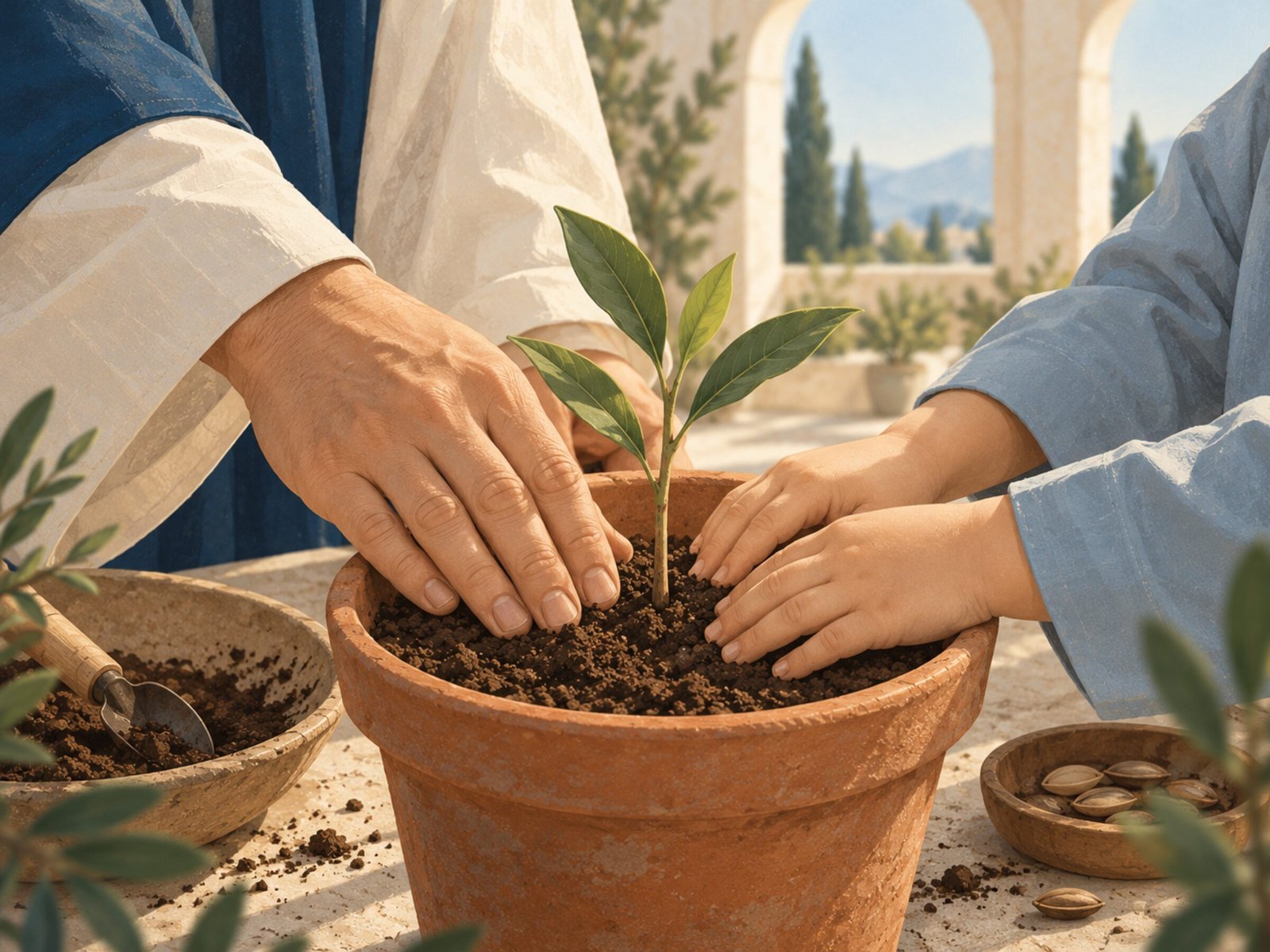
An adult hand and a small hand planting a seedling together
L

Love first

Tender words before every lesson. Each script opens with an endearment, never with anger.

Luqman 31:13, 16, 17

U

Understand why

He gave reasons: shirk is a great injustice, and Allah does not love the arrogant. Every do and don’t carries its reason.

Luqman 31:13, 18

Q

Qudwah: be the example

Allah gave Luqman wisdom and gratitude before he advised anyone. The parent fixes their own practice first.

Luqman 31:12

M

Make it visible

The mustard seed in a rock, the heavens, the donkey’s voice. Lessons start from what the child can see and touch.

Luqman 31:16, 19

A

Allah first

Tawhid first, then gratitude, then solat and duty to others, then manners. The syllabus follows the same order.

Luqman 31:13–19

N

Nurture hope with warning

Encouragement and caution together, never fear alone. Praise and gentle warning side by side.

Luqman 31:12–19

SEEDS: the five steps of every weekly lesson

One ayah, one deed, every week

Every week of the year runs on the same five steps, so children know what to expect and siblings learn together. In week 4 of Term 1 the family looks at seeds and plants, meets Al-An’am 6:95, and plants a seed to care for all term, because planting is sadaqah (Bukhari 2320). That is the Quran parenting method in one week.

A young seedling growing in a small pot by a window
S

See

Observe something real: an animal, a place, an event. “Do they not look at the camel, how it is created?”

Al-Ghashiyah 88:17

E

Explore

The parent asks questions and listens before giving answers, as Ya’qub listened to Yusuf.

Yusuf 12:4–5

E

Encounter the ayah

Meet the ayah or hadith behind the sign, with its meaning at the child’s stage. Iman before Qur’an.

Ibn Majah 61

D

Do

One practice to live that week, done together: a dua, an adab, a deed, as Ibrahim and Ismail built together.

Al-Baqarah 2:127

S

Share

The child shares what they did, and the parent notes it for the GROW check.

Al-Baqarah 2:133

LIGHT: the family tadabbur circle

Weekly, after Maghrib or at the weekend

Allah sent down a blessed Book so that people reflect on its ayat. Once a week the family sits with the week’s anchor ayah and each person goes as deep as their stage allows. What an ayah means comes only from recognised tafsir, never from guessing; what it asks of me is personal reflection, and every child is invited to share it. For many families the LIGHT circle becomes the favourite hour of the Quran parenting method.

A closed mushaf on a wooden stand in soft dawn light
L

Listen

Hear the ayah recited twice, by the parent or from Khalif Murtaza Khan’s audio.

Sad 38:29

I

Identify the words

Learn one to three key Arabic words in the ayah.

G

Grasp the meaning

The parent explains the meaning from tafsir, at each child’s stage.

Al-Isra 17:36

H

Heart

Everyone answers one question: what is Allah asking of me?

T

Take action and make dua

Choose one action for the week and close the circle with a dua.

AKHLAQ: how character is built

One trait each month, twelve a year

Character carries the same weight as worship here. “I was sent only to perfect good character” (al-Adab al-Mufrad 273). Each month the family focuses on one trait, such as gratitude, truthfulness or patience, and the Quran parenting method shapes it in six steps. Character is observed and praised, never scored or rewarded with prizes.

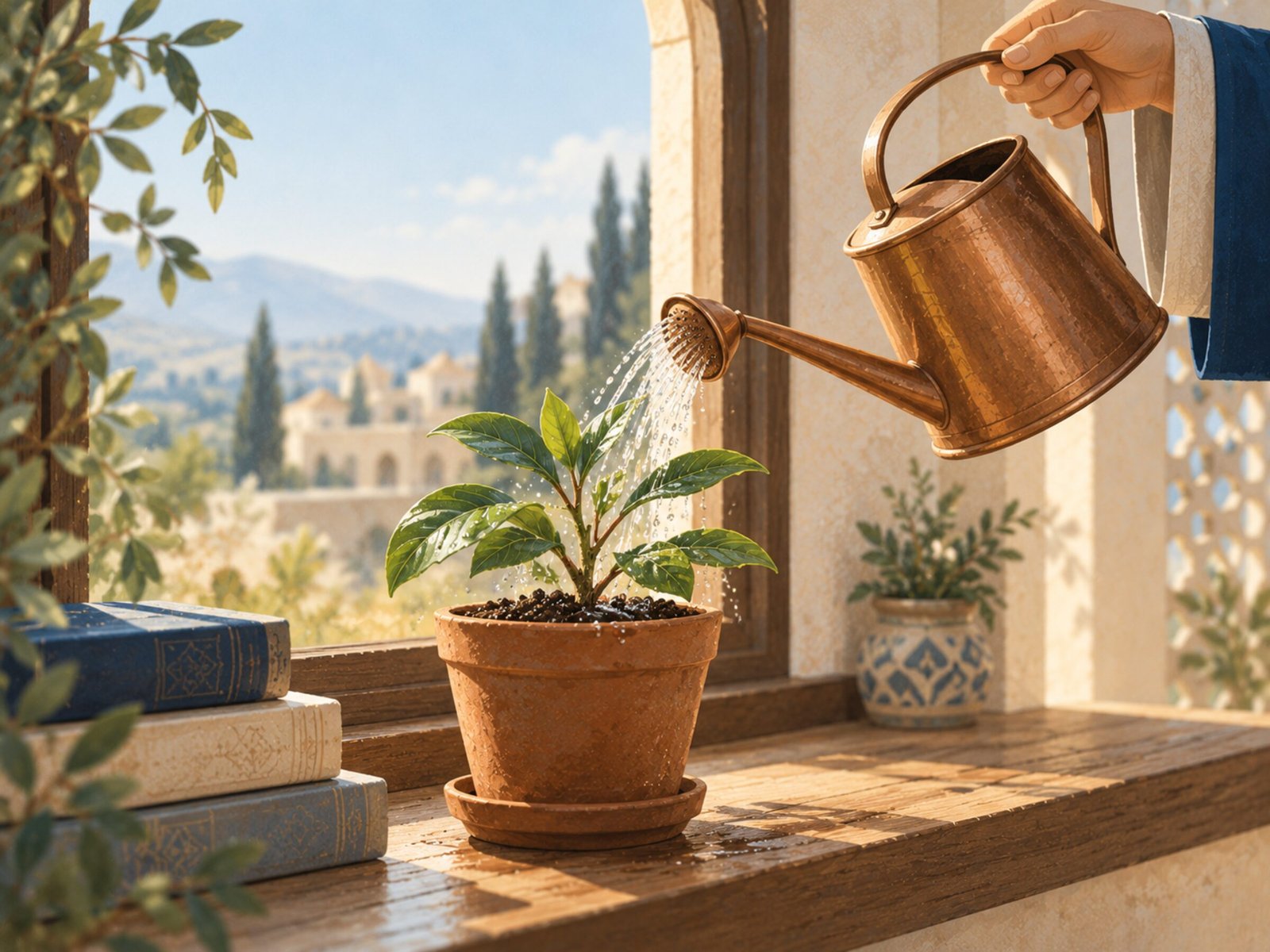
A small plant being watered gently from a copper watering can
A

Act it yourself

The trait of the month is the parent’s own practice first.

Luqman 31:12; Al-Kahf 18:82

K

Kindle with a story

Tell a story of Rasulullah ﷺ or a companion who lived the trait, at bedtime.

Al-Ahzab 33:21

H

Highlight the good

Praise the specific act: “You told the truth even though it was hard.”

Bukhari 1121

L

Lovingly correct

Correct gently, and in private.

Bukhari 220; At-Taghabun 64:14

A

Ask Allah

The family asks Allah for good character together.

Muslim 771

Q

Qur'an and Sunnah as the anchor

Every trait is taught from its ayah and hadith.

GROW: the four levels in every check

Understanding, not only recitation

Ya’qub asked his sons what they would worship after him, a question about understanding and conviction. GROW checks follow him. Levels are per theme, not per age, results stay private to the family, siblings are never compared, and the Root stage is never tested by recall. A missed week simply carries over.

Four stages of a plant from seed to fruiting tree, the GROW levels of the Quran parenting method
G

Glimpse

Notices the sign and says “Allah made it”.

Al-Baqarah 2:133

R

Relate

Links the sign to the ayah, and says the dua or adab with a reminder.

O

Own

Explains the lesson in their own words and practises it unprompted.

W

Witness

Lives it so others see it, and teaches a younger sibling. The tree bears fruit, which is the aim of the whole Quran parenting method.

How the Quran parenting method fits each growth stage

Every child in the family follows the same weekly theme. What each child does depends on their stage, and ages 7 and 10 follow the hadith on teaching solat (Abu Dawud 495). The syllabus page shows the full year, and the FAQ answers how this works with mixed ages.

Root, ages 3–6

The most important stage: iman rooted deep, love of Allah and Rasulullah ﷺ, a warm bond with the parent, wonder, first duas and adab. Nothing at this stage of the Quran parenting method is tested by recall.

Ibrahim 14:24–25

Sprout, ages 7–9

Solat learned properly, the ayah behind each sign, and daily adab.

Sapling, ages 10–12

Solat kept firmly, understanding in their own words, real responsibility, and being asked for their view.

As-Saffat 37:102

Fruit, 13+ and the aim at every age

Benefit to others: teaching younger siblings, leading the family circle, being an example.

The evidence standard behind every lesson

Our sources are the Qur’an and hadith graded sahih or hasan. There are no weak hadith for duas or acts of worship, and never anything fabricated. Each item shows the Arabic, a rumi transliteration, the meaning in BM and EN, the source with book and number, the grading and who graded it. Sayings of the companions and the advice of scholars are labelled as such.

Nothing is published until the advisor for that area signs it off, and every card shows Disemak oleh with their name. For worship content the Quran parenting method uses four categories:

A

Clear, agreed, authentic

Taught directly.

B

Several authentic forms from the Prophet ﷺ

We teach that there are several, and rotate them.

C

Scholars differ, each with evidence

We teach Feetra’s position, set by the advisor, with its evidence, and note with adab that others follow other evidence.

Bukhari 946

D

No basis found

Left out quietly, and never mocked.

Try the Quran parenting method at home

The free pilot begins on 4 January 2027 with 15 to 20 families, starting with Term 1, Nature. Read how the pilot works and register your interest.

Scroll to Top